School’s in session: debunk acne myths with Purifide
As the new school year begins, it’s not just maths formulas and history facts that deserve a closer look. Acne is one of the most common skin conditions among teenagers, yet it’s still surrounded by myths that can make breakouts feel confusing, frustrating, and even embarrassing. The good news? Many of the things you’ve heard about acne simply aren’t true.
Let’s put acne myths to the test and separate skincare fact from fiction.
Myth #1: Acne is caused by being dirty
One of the biggest misconceptions about acne is that it happens because you don’t wash your face enough. In reality, acne is caused by a combination of excess oil production, clogged pores, bacteria, inflammation, and hormonal changes, not poor hygiene. In fact, over-scrubbing or constantly washing your face can irritate your skin and potentially make breakouts worse.
Back-to-school tip: Stick to a gentle skincare routine with a mild cleanser twice a day and avoid harsh scrubs.
Myth #2: Only teenagers get acne
Acne often starts during puberty, which is why it’s so common at school age, but it can affect adults too. Dermatologists classify acne as a chronic skin condition that can occur at different stages of life, meaning breakouts aren't something that magically disappear after your teenage years.
What to learn from this? If you have acne, you’re definitely not alone.
Myth #3: Popping spots helps them go away faster
It can be tempting before a school photo, social event, or first day back, but squeezing spots is usually a bad idea. Picking or popping blemishes can push bacteria and inflammation deeper into the skin, increasing the risk of marks and scarring.
Instead, try a targeted treatment designed to help support the skin while leaving the blemish alone.
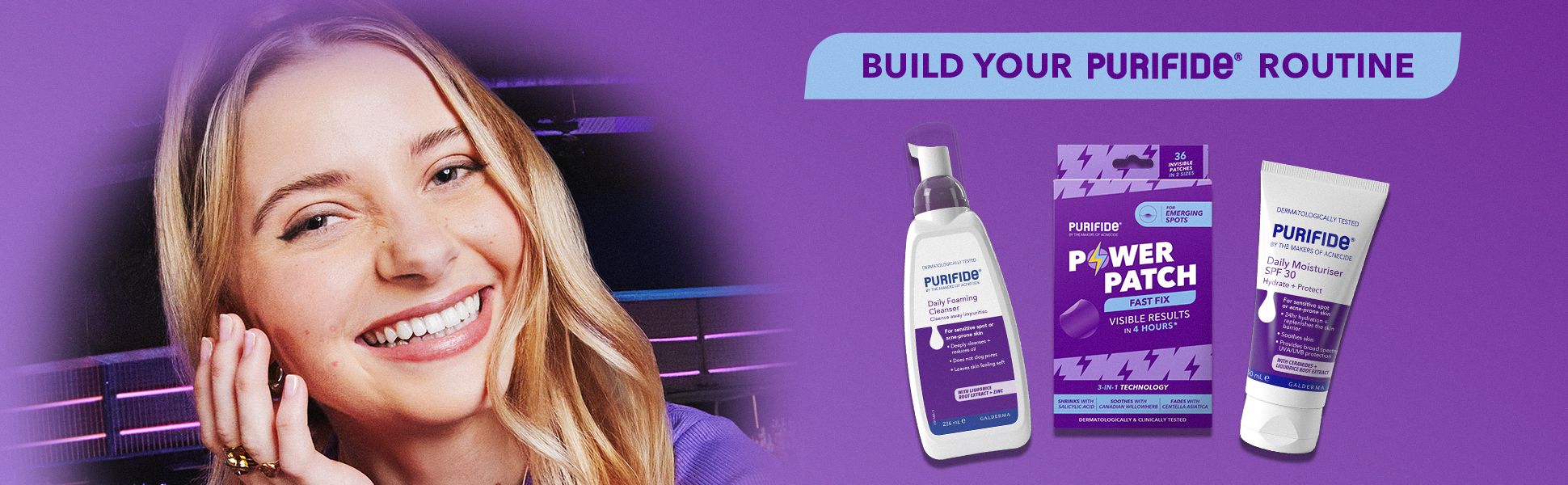
For early-stage blemishes and emerging breakouts, Purifide Power Patch Fast Fix contains Salicylic Acid alongside soothing ingredients like Canadian Willowherb to help shrink, soothe and fade spots from the first signs of an outbreak. Visible results can be seen in as little as four hours.
Myth #4: The sun clears acne
While your skin may appear better after spending time in the sun, the effect is often temporary. UV exposure can actually increase inflammation and worsen post-acne marks over time. That's why sunscreen is important, even if you have acne-prone skin.
Myth #5: Chocolate causes spots
Chocolate has been blamed for breakouts for years, but research suggests acne is much more complex. There is little evidence that chocolate alone directly causes acne. Instead, some studies suggest that overall dietary patterns, particularly high-glycaemic foods and sugary snacks, may play a role for some individuals.
That means you don’t need to fear the occasional chocolate bar, but a balanced diet is always a good idea for your overall health.
Myth #6: Acne is your fault
Perhaps the most important myth to bust is that acne happens because you’ve done something wrong. Acne is heavily influenced by factors such as genetics, hormones, inflammation, and oil production. It is a medical skin condition, not a reflection of your cleanliness, lifestyle, or character.
Small steps can make a big difference
When breakouts appear during a busy school term, focus on gentle, consistent skincare rather than quick fixes and social media hacks. Emerging spots can be targeted with Purifide Power Patch Fast Fix, while white headed pimples can be reduced with Purifide Power Patch Skin Restore, a hydrocolloid patch designed to absorb impurities and help support the healing process while protecting the area from picking and touching.
This school year, leave the acne myths behind. Understanding the real causes of acne can help reduce stigma and make it easier to manage breakouts with confidence. Remember: spots are incredibly common, it’s not your fault, and with the right skincare approach, you can help support healthier-looking skin throughout the school year and beyond.